Teaching Ideas
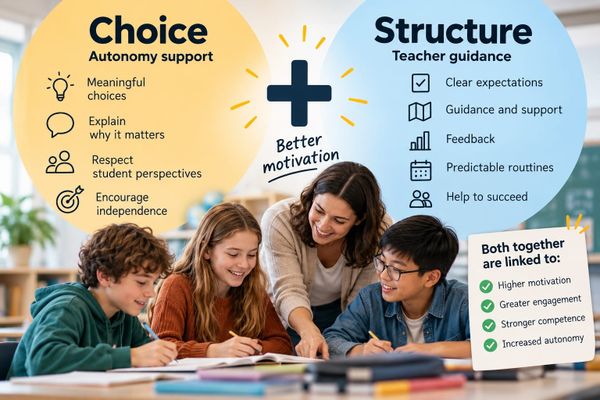
Choice or Structure? What 94 Studies Found About Student Motivation
A meta-analysis of 94 studies suggests that student choice and teacher structure are not opposites. The strongest learning environments appear to combine both.

News
A compromised login at California’s testing contractor exposed sensitive information belonging to millions of students. The breach is a reminder that school data is only as secure as every vendor that holds it.
News
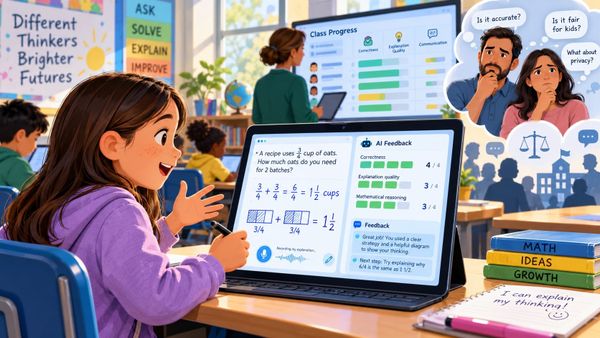
Fourth graders are already using AI to explain their reasoning and receive instant scores and feedback. Some parents are now asking whether schools are moving too quickly.
Teaching Ideas
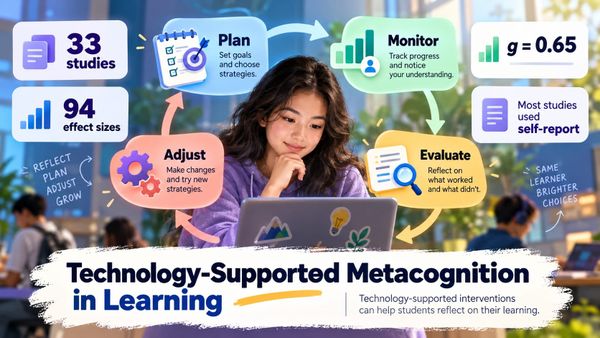
A new meta-analysis found that technology can support students’ ability to plan, monitor and reflect on learning, but most of the evidence still relies on what students say rather than what they demonstrably do.

News
The AI boom is consuming so much computer memory that school laptops are getting significantly more expensive. Some districts are now reconsidering how often devices need replacing and even whether every student still needs one.
Teaching Ideas
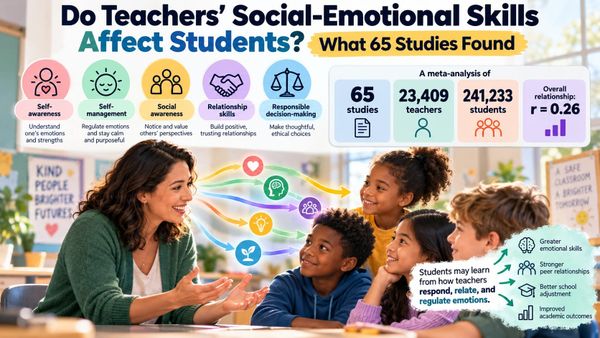
A new meta-analysis of 65 studies found a moderate relationship between teachers’ and students’ social-emotional skills, suggesting that students may learn as much from how teachers respond as from what they explicitly teach.

News
With classroom temperatures exceeding 40°C and hundreds of thousands of students missing school during heatwaves, UK educators are asking whether exam dates and school hours need to change.
News
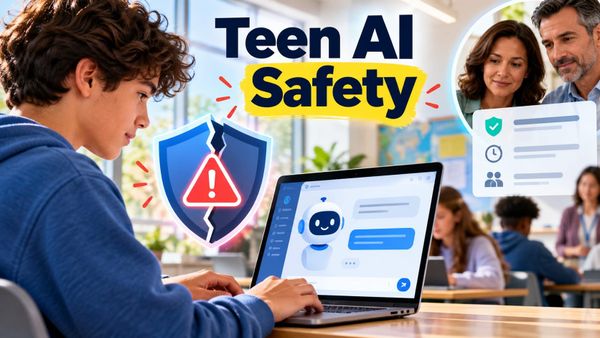
A new report says ChatGPT’s teen safeguards can still miss unsafe interactions, raising a bigger question about what “safe for teens” should actually mean.
News
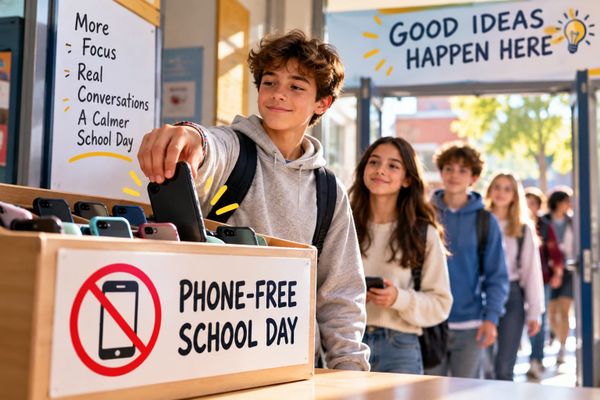
A new bipartisan U.S. bill would encourage full school-day cellphone bans. The evidence suggests stricter bans may work better, but removing phones does not automatically remove digital distraction.
Teaching Ideas
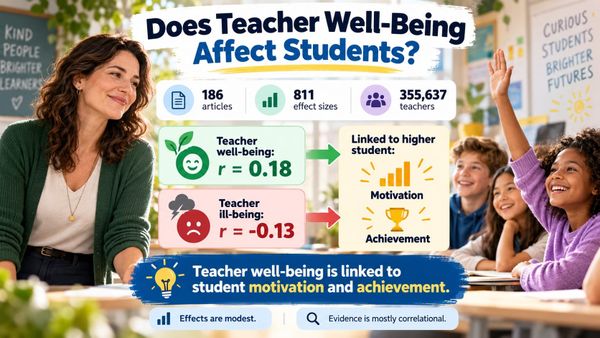
A new meta-analysis of 186 articles found that teacher well-being is consistently associated with student motivation and achievement, although the effects are modest and mostly correlational.
Practical ideas, useful resources, and thoughtful takes on digital tools for teaching and learning.
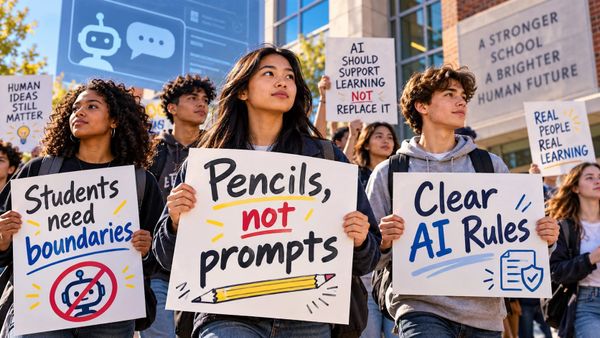
More than 100 students at a Washington high school walked out of class demanding clearer AI rules. Their slogan: “Pencils, not prompts.”

A UK training company is using AI to review every instructor session. The company says it improves coaching quality. Some teachers say it feels like constant surveillance.
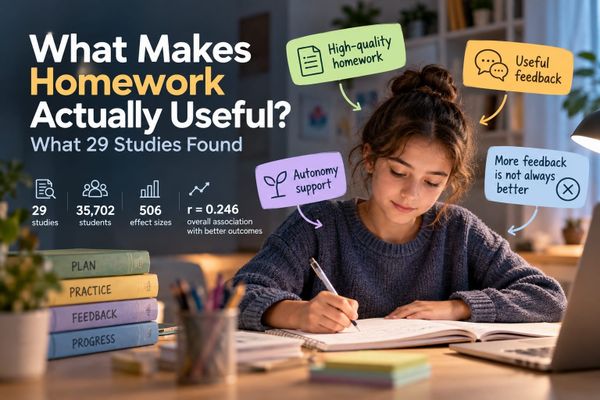
A 2026 meta-analysis of 29 studies found that homework quality, useful feedback and autonomy support matter more consistently than simply giving students more feedback.
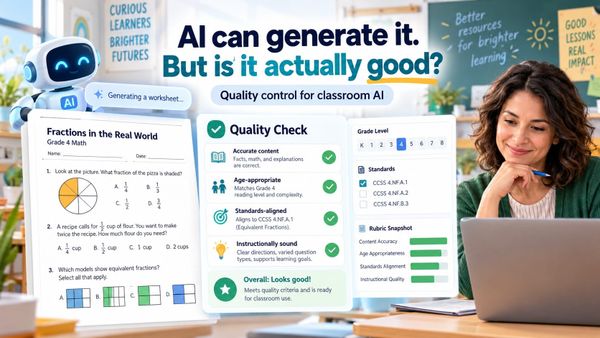
AI can generate classroom materials instantly. A new open platform is trying to solve the harder problem: making sure those materials are actually appropriate, accurate and aligned to learning goals.
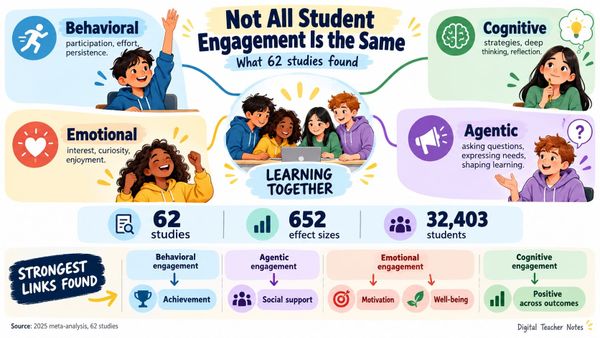
A 2025 meta-analysis of 62 studies found that different kinds of student engagement appear to serve different purposes, from achievement and motivation to social support and well-being.

Napster has partnered with GEMS Education to build AI “digital twins” of teachers, giving students access to teacher-informed support outside school hours.

Explore Netboard.me through two classroom examples: an interactive Ancient Egypt resource hub and a collaborative climate project for students.
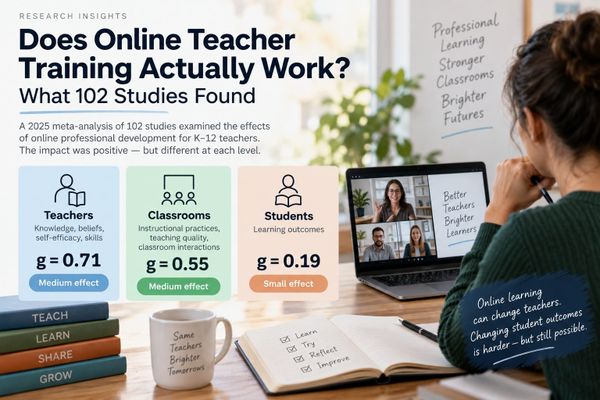
A 2025 meta-analysis of 102 studies found that online professional development can meaningfully improve teacher knowledge and classroom practice, but the effect on students is much smaller.

Microsoft and major U.S. teacher unions have agreed on enforceable AI privacy rules for schools, including a ban on using student data to train AI models.
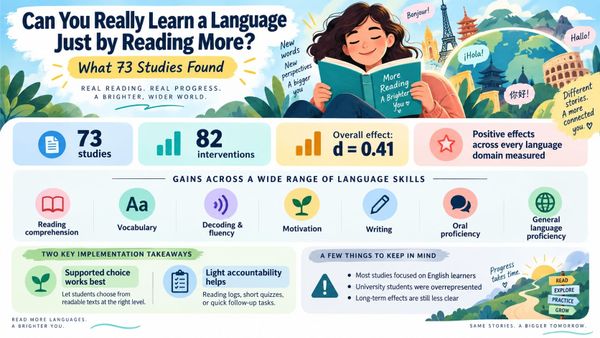
Language learning often comes with a long list of activities. Vocabulary exercises. Grammar drills. Listening practice. Speaking tasks. Writing assignments. But there is a much simpler approach that has been around for decades: Read a lot. Not difficult texts that need to be translated sentence by sentence. Not short passages
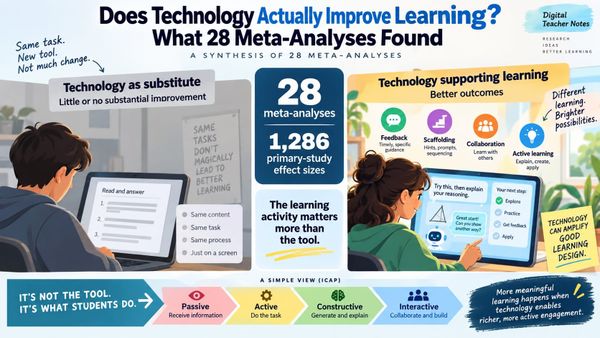
Schools and universities have spent decades adding technology to learning. Laptops replaced notebooks. Videos replaced some lectures. Digital quizzes replaced paper tests. Interactive platforms replaced static worksheets. But there is a surprisingly important question underneath all of this: Does adding technology actually improve learning? A large research synthesis tried to

The latest PISA results are out, and the headline is not encouraging. Across OECD countries, average performance in reading and mathematics has fallen to the lowest level ever recorded by PISA. Reading scores are now 28 points lower than in 2015, which the OECD describes as roughly one and a